About Netherlands
The Netherlands punches far above its weight in international higher education. With over 2,200 English-taught bachelor's and master's programmes and 115,000+ international students, it is one of Europe's most accessible study destinations for non-Dutch speakers. Dutch higher education is highly practical and application-oriented — particularly at Universities of Applied Sciences (HBO), which focus on industry-ready skills and mandatory internships. The Dutch education system is internationally accredited by NVAO (Dutch-Flemish Accreditation Organisation), ensuring all degrees meet European quality standards. Private institutions like Tio and Wittenborg specifically cater to international students, offering English-only campuses in Amsterdam, Utrecht, Rotterdam, and Apeldoorn. The Netherlands also offers the Orientation Year (zoekjaar) visa — a one-year post-graduation permit to search for work or start a business — making it an attractive destination for career-focused international students. Cost of living in Dutch cities is moderate by Western European standards, typically EUR 900–1,400/month for students.
Institutions
70+
Tuition fees
EUR 6,000 – EUR 25,000/year
Student life
84%
International students
115,000+
Employability
83%
Work rights
The Netherlands advantage
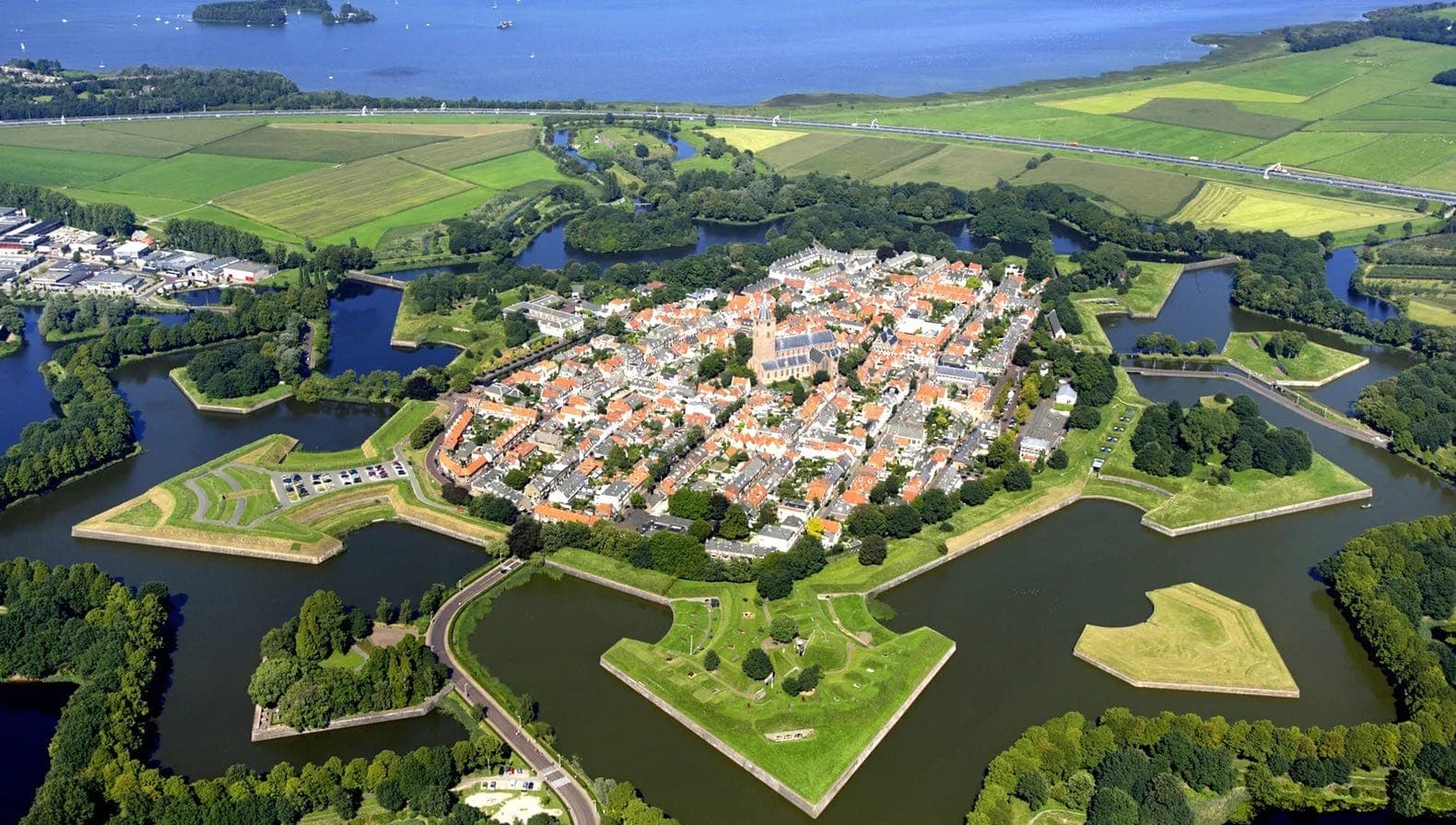
The Netherlands has more English-medium programmes than any non-English-speaking country in Europe. Students can study a full bachelor's or master's degree entirely in English without learning Dutch.
The Orientation Year visa gives graduates 12 months after graduation to find work or launch a startup in the Netherlands — one of the most generous post-study work rights in Europe.
Private Dutch college fees (EUR 6,000–25,000/year) are significantly lower than equivalent UK or US programmes. The Netherlands offers European-standard education at a fraction of Anglophone prices.
Academic specialties
The journey ahead
Research English-taught programmes at Dutch universities and private colleges. NVAO accreditation guarantees quality — check the official register at nvao.net before applying.
Submit your application with academic transcripts, English test scores (IELTS/TOEFL), passport copy, and motivation letter. Most private colleges have rolling admissions.
Non-EU students need a Dutch entry visa (MVV) and residence permit (VVR). Your university will register you with the IND (Immigration and Naturalisation Service). Processing takes 3–8 weeks.
After arriving, register with the local municipality (gemeente) within 5 days to get your BSN (citizen service number) — required for banking, healthcare, and tax purposes.
Common questions
No — the Netherlands has more English-taught programmes than any other non-English-speaking country in Europe. At private colleges like Tio and Wittenborg, all programmes are taught entirely in English. Dutch language skills are not required for admission or study.
Yes — non-EU students with a valid residence permit can work 16 hours per week during the academic year and full-time during summer months (June–August). Your employer must hold a valid work permit for your employment.
After graduating from a Dutch degree programme, non-EU students can apply for the Orientation Year (zoekjaar) residence permit, giving them 12 months to find a graduate-level job or start a business in the Netherlands. It's one of Europe's most generous post-study work rights.
Yes — Dutch degrees are accredited by NVAO (Dutch-Flemish Accreditation Organisation) and fully recognised throughout Europe and internationally. Wittenborg additionally awards joint degrees with the University of Brighton (UK), providing a second internationally recognised credential.
Students typically spend EUR 900–1,400 per month (USD 1,000–1,550), covering shared accommodation (EUR 400–700), food (EUR 200–300), transport (EUR 80–150), and personal expenses. Amsterdam is the most expensive city; Apeldoorn and smaller cities are significantly cheaper.
Ready to study in Netherlands?
Book Free Consultation