
About Italy
Italy has quietly become one of Europe's best value study destinations for non-EU students, hosting around 110,000 international students across more than 90 universities, including the University of Bologna, founded in 1088 and the oldest university in the world. Public university tuition for international students typically runs between EUR 900 and EUR 4,000 a year, a fraction of costs in the UK or US, while private universities and business schools charge EUR 6,000 to EUR 20,000. Italian degrees are recognised throughout the European Union, and English-taught programmes are increasingly common in business, engineering, design and the sciences, on top of Italy's long-standing strength in art, architecture and fashion. After graduating, international students receive an automatic 12-month residence permit to look for work, with no employer sponsorship or minimum salary required to obtain it.
Institutions
90+
Tuition fees
EUR 900 – EUR 20,000/year
Student life
79%
International students
110,000+
Employability
74%
Work rights
The Italy advantage
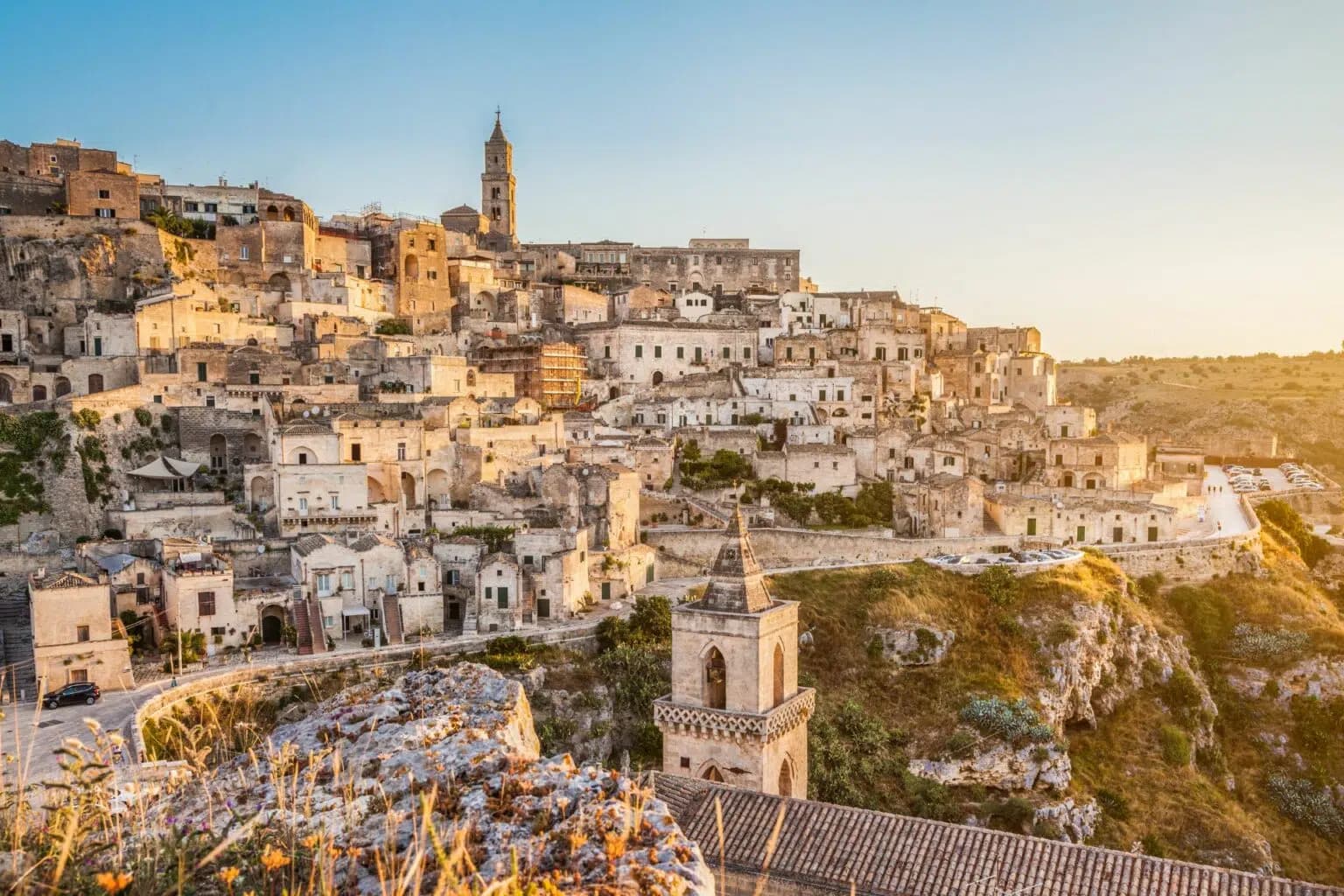
Public tuition for international students typically runs from EUR 900 to EUR 4,000 a year at institutions including the University of Bologna, founded in 1088 and the oldest university in the world. Private universities and business schools charge more, from EUR 6,000 to EUR 20,000, still well below equivalent programmes in the UK or US.
Graduates receive an automatic 12-month residence permit to search for work, the permesso di soggiorno per attesa occupazione, with no employer sponsor or minimum salary required to obtain it. It is one of the most accessible post-study permits in Europe.
Italy pairs deep expertise in art, architecture and fashion with a strong engineering and automotive tradition, home to institutions like Politecnico di Milano and companies including Ferrari and Pirelli. Few countries combine creative and technical study so closely.
Academic specialties
The journey ahead
Decide between a public or private university and confirm whether your programme is taught in English or Italian. Public universities increasingly offer English-taught postgraduate courses in business, engineering and the sciences.
Most public university applications go through the national Universitaly portal, and some require a preliminary evaluation at the Italian consulate in your home country before you can apply. Private universities generally accept direct applications.
Show proof of the required financial means, EUR 10,179.85 for the 2026/2027 academic year, and apply for a Type D national visa at the Italian consulate in your home country. Processing typically takes 4 to 8 weeks.
Within 8 days of arriving, apply for your residence permit, the permesso di soggiorno, at the local post office or police headquarters. It is required for the full duration of your studies and must be renewed as your course progresses.
Common questions
Not necessarily. A growing number of programmes, particularly postgraduate courses in business, engineering and the sciences, are taught fully in English. Many bachelor's programmes at public universities are still delivered in Italian, so check each course individually.
Public university tuition for international students typically runs from EUR 900 to EUR 4,000 a year, among the lowest in Western Europe. Private universities and business schools charge from EUR 6,000 to EUR 20,000. Living costs vary by city, with Milan and Rome at the higher end.
Yes. A valid student residence permit allows international students to work up to 20 hours a week.
Yes. Graduates automatically qualify for a 12-month residence permit to search for work, with no employer sponsor or salary threshold required, provided your student permit is still valid when you apply.
For the 2026/2027 academic year, Italian consulates require proof of roughly EUR 10,179.85 in financial means, a sharp increase on previous years, so budget for this well ahead of your application.
Ready to study in Italy?
Book Free Consultation