
About Finland
Finland has built one of the most respected education systems in the world, and it extends that reputation to its 13 universities and 22 universities of applied sciences, which together host more than 30,000 international students. Non-EU students need a residence permit for studies over 90 days, and tuition for English-taught bachelor's and master's programmes typically runs from EUR 8,000 to EUR 20,000 a year, while doctoral study remains free for all nationalities. International students can work up to 30 hours a week during term time, among the most generous allowances in Europe, and internship or thesis work carries no hour limit at all. After graduating, non-EU students can apply for a residence permit to seek work or start a business that runs for up to 24 months, one of the longest post-study windows in Europe, well suited to Finland's globally known technology and gaming industry.
Institutions
35+
Tuition fees
EUR 8,000 – EUR 20,000/year
Student life
90%
International students
30,000+
Employability
85%
Work rights
The Finland advantage
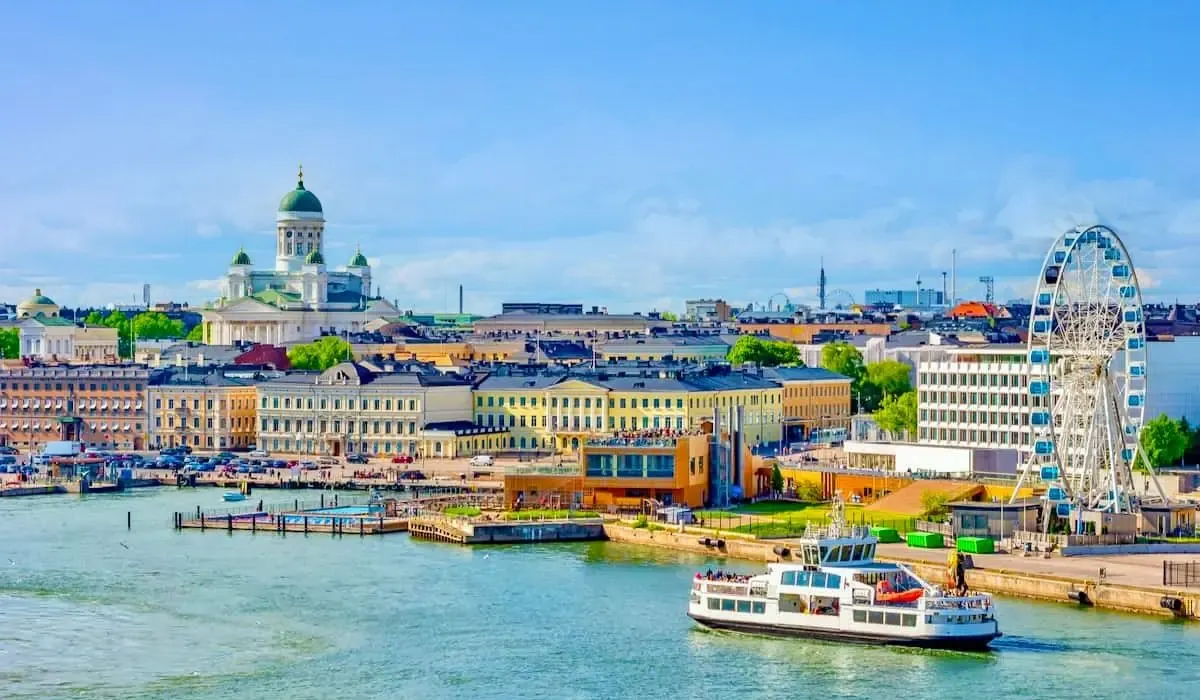
Finland consistently ranks among the world's best performing education systems, and that reputation carries through to its 13 universities and 22 universities of applied sciences, which together enrol more than 30,000 international students.
International students can work up to 30 hours a week during term time, one of the most generous allowances in Europe, and internship or thesis-related work carries no hour limit at all, making it easier to gain local experience while studying.
Graduates can apply for a residence permit to search for work or start a business that runs for up to 24 months, one of the longest post-study periods in Europe and a genuine runway to convert a Finnish degree into a career.
Academic specialties
The journey ahead
Search English-taught bachelor's and master's programmes through Studyinfo.fi, Finland's national application portal, and note the intake, most programmes admit once a year with applications due in January.
Submit your application through Studyinfo.fi with transcripts and language test results. Some programmes require an entrance examination or a separate portfolio, particularly in design and the arts.
Once accepted, pay the first year's tuition (unless you hold a scholarship) and apply online to the Finnish Immigration Service, Migri, for a residence permit for studies, showing proof of at least EUR 560 a month in funds.
After arriving, register with the local Digital and Population Data Services Agency and collect your residence permit card. Your university's international office typically runs a dedicated orientation for this.
Common questions
No. Finland offers a wide range of bachelor's and master's programmes taught entirely in English, and daily life in most cities is comfortable in English too, though learning some Finnish helps with part-time work and settling in long term.
Tuition for non-EU students typically runs from EUR 8,000 to EUR 20,000 a year for bachelor's and master's programmes. Doctoral study is free for all nationalities. Living costs add roughly EUR 700 to EUR 1,200 a month.
Yes. International students can work up to 30 hours a week during term time and full time during holidays, one of the most generous student work allowances in Europe. Internship and thesis work is not counted against this limit.
You need to show means of roughly EUR 560 a month, about EUR 6,720 for a full year, along with private health insurance that covers medical and pharmaceutical costs.
Yes. Graduates can apply for a residence permit to search for work or start a business, valid for up to 24 months, one of the longest post-study permits in Europe.
Ready to study in Finland?
Book Free Consultation