
About Belgium
Belgium punches well above its size as a study destination, hosting more than 55,000 international students, around 10 percent of the total student population, across a system split into Flemish, French and German speaking communities, each with its own universities and university colleges. KU Leuven, the country's top-ranked university, alone enrols tens of thousands of international students, and Brussels' role as the de facto capital of the European Union makes Belgium a natural base for students of law, political science, international relations and business. Tuition for non-EU students typically runs from EUR 2,000 to EUR 18,000 a year depending on the institution and region, well below equivalent programmes in the UK or US, and Dutch, French and English-taught programmes are all widely available. After graduating, non-EU students can extend their residence for 12 months to search for work or start a business.
Institutions
30+
Tuition fees
EUR 2,000 – EUR 18,000/year
Student life
85%
International students
55,000+
Employability
83%
Work rights
The Belgium advantage
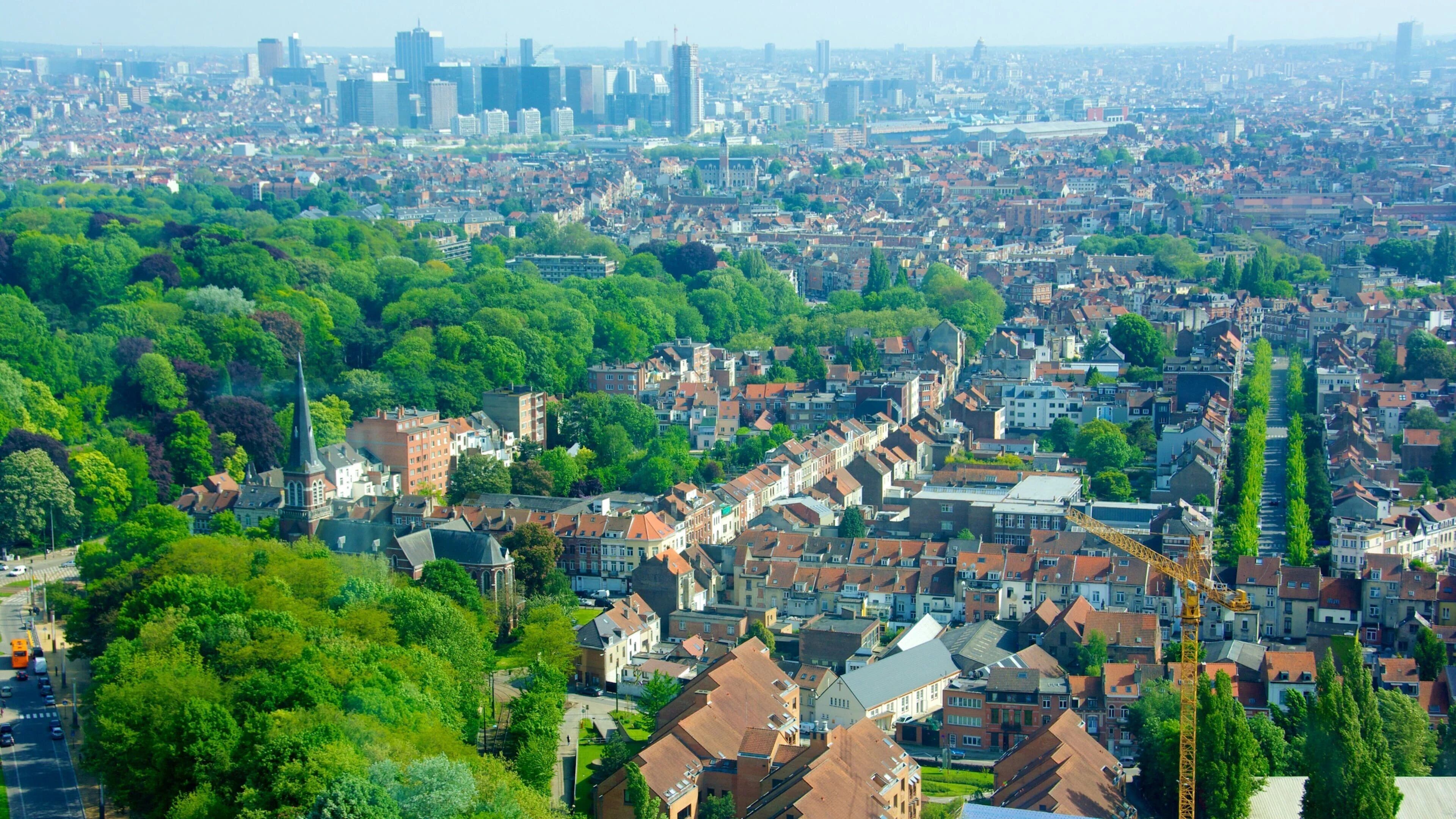
Brussels hosts the headquarters of the European Union, NATO and hundreds of international organisations and lobbying firms, giving students of law, political science and international relations direct access to internships and networks few other cities can match.
Tuition for non-EU students typically runs from EUR 2,000 to EUR 18,000 a year, well below comparable programmes in the UK or US, with public universities like KU Leuven and Ghent University offering strong value at the lower end of that range.
Belgium is split into Dutch, French and German speaking communities, and most universities also teach a growing number of programmes fully in English, so students graduate with exposure to several languages inside one small, easy to navigate country.
Academic specialties
The journey ahead
Belgium's Flemish, French and German communities each regulate their own universities, so confirm whether your programme is taught in Dutch, French or English, and check the specific application deadlines for that community.
Applications go directly to the institution rather than through a central portal. Non-EU applicants typically need academic transcripts, an English or language proficiency certificate, and in some cases a preliminary equivalence check on foreign qualifications.
Non-EU students must show means of subsistence, EUR 1,062 a month for the 2026/2027 year, and apply for a long-stay Type D visa at the Belgian embassy or consulate in their home country.
After arriving, register with the commune or gemeente where you live to receive your residence permit. Your university's international office typically guides new students through this step during orientation.
Common questions
Not for every programme. A growing number of degrees, particularly at postgraduate level, are taught entirely in English, though many bachelor's programmes are still delivered in Dutch or French depending on the community. Confirm the language of instruction before applying.
Tuition for non-EU students typically runs from EUR 2,000 to EUR 18,000 a year depending on the institution and programme. Living costs add roughly EUR 900 to EUR 1,200 a month, with Brussels at the higher end.
Yes. International students can work up to 20 hours a week during term time on a student work permit, and full time during official university holidays.
For the 2026/2027 academic year, you need to show means of subsistence of EUR 1,062 net a month, around EUR 12,700 for a full year.
Yes. Non-EU graduates can apply for a 12-month extension to their residence permit to search for work or start a business, one of the more straightforward post-study routes in Europe.
Ready to study in Belgium?
Book Free Consultation